The History of the Shih Tzu: A Little Dog with a Royal Legacy
By HonorRae Shih Tzu
Rooted in Love. Raised with Honor.
When people meet a Shih Tzu, they often fall in love with their sweet expression, luxurious coat, and affectionate personality. But behind those big eyes and wagging tail is a breed with a fascinating history that stretches back over a thousand years. The Shih Tzu isn’t just a companion dog—they are living pieces of history, carefully preserved through generations of devoted breeders.
Let’s take a journey through the remarkable story of this beloved little breed.
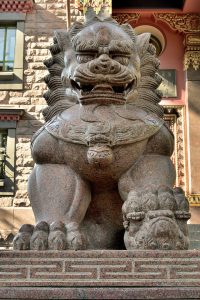
Ancient Origins: The “Lion Dog”
The name Shih Tzu means “Lion Dog” in Mandarin Chinese. Although these tiny dogs don’t resemble lions in size, they were intentionally bred to resemble the mythical lions found in traditional Chinese art and Buddhist symbolism. In Buddhism, lions represent strength, protection, and nobility, making the little “Lion Dog” a treasured symbol of good fortune.
The breed’s history dates back well over 1,000 years, though many historians believe their ancestors existed even earlier.

Where Did the Shih Tzu Come From?
While the Shih Tzu is closely associated with China, its story actually begins in neighboring Tibet.
Tibetan monks bred small companion dogs that were often gifted to Chinese emperors as symbols of honor and friendship. These treasured dogs were then carefully developed within the Chinese Imperial Palace, where selective breeding refined them into the Shih Tzu we know today.
Because they lived almost exclusively inside the royal palace, Shih Tzus remained one of the world’s most exclusive breeds for centuries.

What Breeds Created the Shih Tzu?
Modern DNA studies have confirmed that the Shih Tzu is one of the oldest and most ancient dog breeds, sharing genetics that are remarkably close to wolves compared to many newer breeds.
The Shih Tzu is generally believed to have developed from two ancient breeds:

The Lhasa Apso from Tibet, which contributed the sturdy body, flowing coat, and alert nature. The Pekingese from China, which added the distinctive facial features, compact size, and regal appearance.
Over generations of careful breeding within the Imperial Palace, these dogs were refined into the elegant, affectionate companion we know today.
Life Inside the Imperial Palace
Unlike many breeds that were developed to hunt, herd livestock, or guard property, the Shih Tzu had a much different job.
Their purpose was simply to be cherished companions.
They lived among Chinese emperors, empresses, and members of the royal court, spending their days lounging on silk cushions, accompanying royalty throughout the palace, and offering warmth and companionship.
They were considered so valuable that palace dogs were rarely sold or given away. For many centuries, owning a Shih Tzu outside the Imperial Palace was nearly impossible.
One of the breed’s greatest champions was Empress Dowager Cixi during the late Qing Dynasty. She adored her palace dogs and maintained careful breeding programs that helped preserve the breed’s distinctive appearance and temperament.
Nearly Lost Forever
The fall of the Chinese Imperial Dynasty in the early 1900s nearly brought the Shih Tzu to extinction.
As political unrest spread throughout China, many palace dogs disappeared. Fortunately, a very small number of Shih Tzus had already been gifted to diplomats and breeders in Europe.
Nearly every Shih Tzu alive today can trace its ancestry back to just fourteen foundation dogs—seven males and seven females—that survived outside of China.
Dedicated breeders worked carefully to preserve the breed, eventually rebuilding healthy breeding populations throughout Europe and later North America.
Without their efforts, the Shih Tzu may have disappeared forever.
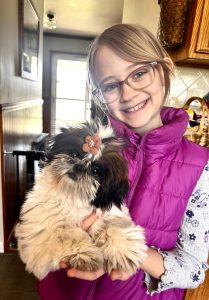
The Shih Tzu’s Purpose Today
Although modern Shih Tzus no longer live in imperial palaces, their purpose has remained remarkably consistent.
They were bred to be close companions, and that’s exactly what they still excel at today.
Shih Tzus thrive when they are part of the family. They enjoy following their people from room to room, curling up beside them on the couch, and being involved in everyday life.
Because they were never bred for demanding working jobs, they generally don’t require intense exercise. Instead, they flourish with affection, moderate playtime, daily walks, and quality time with their families.
What Is the Shih Tzu Personality Supposed to Be Like?
A well-bred Shih Tzu should be confident, friendly, and affectionate.
The American Kennel Club breed standard describes them as outgoing, happy, trusting, and full of personality.
Typical Shih Tzu traits include:
Friendly with both family and visitors
Gentle and affectionate
Confident without being aggressive
Playful well into adulthood
Adaptable to many living situations
Intelligent, although sometimes a little independent
Loyal and devoted to their people
Despite their royal background, Shih Tzus generally don’t see themselves as “too important.” Most are happiest simply being wherever their favorite humans are.

Preserving the Breed’s Legacy
Responsible breeders today strive to preserve far more than the Shih Tzu’s beautiful appearance.
They work to maintain the breed’s excellent temperament, sound structure, genetic health, and loving personality while honoring centuries of careful preservation.
Every thoughtfully planned litter represents another chapter in the remarkable story of this ancient breed.

Why We Love the Shih Tzu
At HonorRae Shih Tzu, we believe the Shih Tzu’s greatest gift has always been the same: bringing joy, companionship, and unconditional love to the people lucky enough to share life with them.
From the halls of ancient Chinese palaces to cozy family homes today, the Shih Tzu has never lost its ability to capture hearts.
Their history is rich, their personality is unforgettable, and their devotion to their families is one of the many reasons this remarkable little breed continues to be cherished around the world.
Whether you’re welcoming your first Shih Tzu or have loved the breed for years, you’re becoming part of a story that has been unfolding for more than a millennium—a story of loyalty, companionship, and a tiny Lion Dog with a truly royal heritage.